

Jet Fuel Wholesale Price And Aviation Fuel Procurement Factors
Wholesale jet fuel pricing depends on procurement volume, regional supply conditions, transportation logistics, refinery activity, and global aviation fuel market trends.
What Affects Jet Fuel Wholesale Price?
Jet fuel wholesale price depends on several global market and logistics factors. There is no fixed worldwide wholesale aviation fuel price. Pricing conditions can change daily based on supply, transportation, refinery activity, and international energy markets.
One of the biggest factors affecting jet fuel wholesale price is crude oil pricing. Aviation fuel is closely connected to global oil markets. When crude oil prices rise or fall, wholesale jet fuel pricing often changes as well.
Refinery production levels also influence wholesale aviation fuel pricing. Refinery outages, maintenance schedules, and production limitations may reduce fuel availability in certain markets. Lower supply can increase procurement costs depending on regional demand and transportation conditions.
Transportation and logistics infrastructure are also major pricing variables. Jet fuel often moves through pipelines, ports, terminals, tanker trucks, and airport fuel systems before reaching its destination. Shipping costs and transportation efficiency can significantly affect wholesale pricing structures.
Several factors commonly affect jet fuel wholesale price, including:
- Global crude oil prices
- Refinery production capacity
- Transportation costs
- Port and terminal access
- Airport fuel infrastructure
- Regional supply and demand
- Shipping and freight conditions
- International logistics activity
- Geopolitical market disruptions
- Seasonal aviation demand
Regional market conditions can also influence wholesale aviation fuel pricing. Some regions may have stronger refinery access and transportation infrastructure, while others may experience tighter supply conditions or higher logistics costs.
Procurement timing matters as well. Global aviation fuel markets are highly dynamic. Pricing conditions may shift quickly due to supply chain disruptions, energy market volatility, or transportation bottlenecks affecting fuel availability.
Because of these variables, buyers seeking wholesale aviation fuel pricing often work through procurement networks capable of monitoring supplier conditions and coordinating sourcing discussions across multiple regions.
Understanding what affects jet fuel wholesale price helps organizations evaluate procurement opportunities and long-term aviation fuel sourcing strategies more effectively.
How Bulk Procurement Influences Wholesale Jet Fuel Pricing
Bulk procurement is one of the most important factors affecting jet fuel wholesale price. In many aviation fuel markets, larger procurement volumes may support more competitive per-gallon pricing structures compared to smaller fuel purchases.
Large-volume aviation fuel procurement can improve transportation efficiency and logistics coordination. Bulk procurement may also create operational efficiencies across shipping, storage, supplier planning, and fuel distribution systems.
Wholesale jet fuel pricing is often structured differently for organizations requiring recurring fuel supply or large procurement volumes. Commercial aviation operators, cargo companies, fuel distributors, and international procurement organizations may approach fuel sourcing differently than buyers seeking smaller operational quantities.
Several factors may influence how bulk procurement affects wholesale jet fuel pricing, including:
- Total fuel volume
- Transportation efficiency
- Storage infrastructure
- Delivery frequency
- Supplier coordination
- Logistics planning
- Contract structure
- Regional fuel availability
Transportation efficiency becomes increasingly important in bulk aviation fuel procurement. Larger fuel volumes may allow more optimized shipping structures and logistics coordination depending on the sourcing region and infrastructure conditions.
Recurring procurement discussions may also support more stable supplier communication and operational planning. Organizations with ongoing fuel requirements often evaluate procurement opportunities within the broader context of transportation efficiency, supply reliability, and long-term operational costs.
Bulk aviation fuel procurement may involve more advanced logistics coordination compared to smaller sourcing requests. Infrastructure access, storage capabilities, transportation routes, and delivery planning can all affect wholesale jet fuel pricing discussions.
Because every procurement scenario is different, wholesale aviation fuel pricing discussions are generally based on current market conditions, operational requirements, supplier availability, and logistics feasibility at the time of inquiry.
Organizations seeking bulk aviation fuel pricing often prioritize procurement coordination, transportation planning, supplier access, and long-term supply visibility alongside per-gallon pricing considerations.
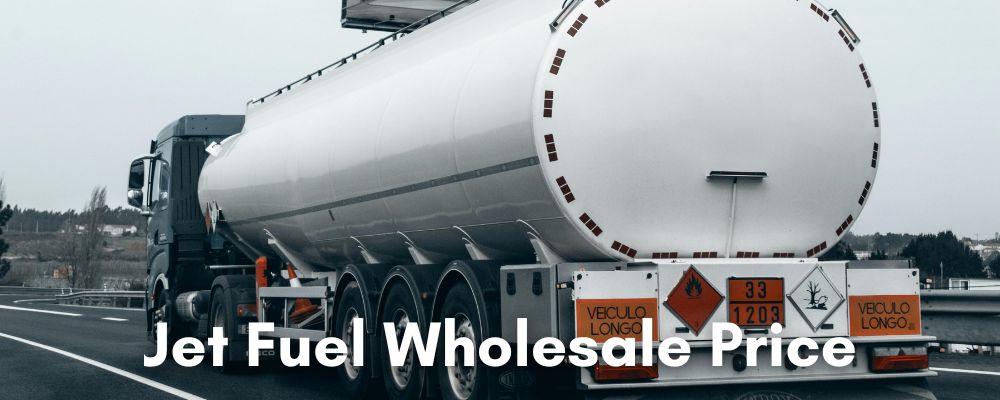
Regional And Infrastructure Factors That Affect Jet Fuel Wholesale Pricing
Regional infrastructure plays a major role in jet fuel wholesale price. Aviation fuel pricing conditions can vary significantly between regions depending on refinery access, transportation systems, airport infrastructure, and fuel storage capabilities.
Regions with strong refinery access and established fuel transportation networks may experience different wholesale pricing conditions compared to areas with limited infrastructure or more complex logistics requirements.
Port access is one of the most important infrastructure variables affecting wholesale aviation fuel pricing. Many bulk fuel procurement operations rely on marine transportation, fuel terminals, and international shipping routes to move aviation fuel between markets.
Port congestion, shipping delays, and transportation bottlenecks may affect procurement timelines and overall fuel sourcing costs. International logistics disruptions can also influence fuel availability and pricing conditions across regional markets.
Airport fuel infrastructure is another major factor affecting jet fuel wholesale price. Large commercial aviation hubs with established fuel systems may operate differently than smaller regional facilities with limited storage capacity or transportation access.
Several regional and infrastructure-related factors may affect wholesale aviation fuel pricing, including:
- Port and terminal access
- Airport fuel infrastructure
- Pipeline availability
- Fuel storage capacity
- Shipping and freight costs
- Transportation networks
- International logistics systems
- Delivery coordination complexity
- Regional regulations
- Infrastructure limitations
International aviation fuel procurement may involve additional logistics considerations depending on the sourcing region and transportation environment. Customs requirements, cross-border transportation rules, and regional infrastructure conditions can all influence procurement discussions.
Geographic location can also affect pricing conditions. Remote regions or markets with limited transportation infrastructure may experience higher logistics costs and different fuel availability conditions compared to major international aviation hubs.
Logistics efficiency remains closely connected to wholesale jet fuel pricing. Transportation delays, infrastructure constraints, and supply chain disruptions can all affect procurement timelines and aviation fuel sourcing costs.
Because infrastructure and regional logistics conditions vary constantly, buyers seeking jet fuel wholesale price information often evaluate procurement opportunities based on both pricing and transportation feasibility.
Global Aviation Fuel Market Conditions That Affect Jet A-1 Fuel Wholesale Price
Global market conditions have a direct impact on jet fuel wholesale price. Aviation fuel markets are closely connected to worldwide energy markets, refinery production, transportation systems, and international supply chains.
Jet fuel pricing can change quickly due to crude oil market volatility. When oil prices rise or fall, wholesale aviation fuel pricing often changes as well. Refinery production levels and transportation costs may also shift depending on regional market conditions.
Seasonal aviation demand can affect wholesale jet fuel pricing in some markets. Increased commercial flight activity, cargo transportation demand, and international travel may influence fuel consumption and procurement conditions.
Refinery outages and maintenance schedules may also impact aviation fuel supply. Reduced production capacity can tighten regional fuel availability and influence jet fuel wholesale price across certain markets.
Several global market factors may affect wholesale aviation fuel pricing, including:
- Crude oil market volatility
- Refinery production capacity
- Global transportation costs
- Seasonal aviation demand
- Supply chain disruptions
- Geopolitical instability
- International shipping conditions
- Regional fuel shortages
- Currency fluctuations
- Trade and regulatory developments
Transportation and logistics disruptions may create additional pricing pressure within aviation fuel markets. Shipping delays, port congestion, infrastructure limitations, and freight market disruptions can all affect fuel sourcing conditions.
Geopolitical developments may also influence global aviation fuel pricing. International conflicts, sanctions, trade restrictions, and regulatory changes can impact refinery operations, transportation systems, and fuel availability across different regions.
Because aviation fuel markets remain highly dynamic, organizations seeking jet fuel wholesale price information often monitor market activity closely when evaluating procurement opportunities and long-term sourcing strategies.
Maintaining supplier visibility and procurement flexibility across multiple regions may help support more efficient aviation fuel sourcing discussions during changing market conditions.
How Wholesale Jet Fuel Procurement Works
Wholesale jet fuel procurement typically begins with a sourcing inquiry outlining the operational requirements associated with the fuel request. Because wholesale aviation fuel pricing depends on procurement volume, logistics conditions, supplier availability, and regional infrastructure, procurement discussions are usually handled according to the specific details of each inquiry.
The procurement process is designed to help buyers coordinate sourcing discussions and wholesale pricing communication through a global aviation fuel supplier network.
1. Submit A Procurement Inquiry
The first step is submitting a fuel procurement inquiry with operational and logistics details related to the request. Buyers may provide information such as:
- Estimated fuel volume
- Preferred sourcing region
- Delivery location
- Operational timelines
- Transportation requirements
- Logistics considerations
Providing accurate procurement information helps support more efficient supplier coordination and pricing discussions.
2. Procurement Requirement Review
After the inquiry is received, procurement discussions may begin regarding regional fuel availability, supplier access, logistics conditions, and transportation feasibility associated with the sourcing request.
Because jet fuel wholesale price can vary significantly depending on infrastructure and market conditions, reviewing these variables helps establish a clearer procurement strategy.
3. Supplier And Pricing Coordination
Following the procurement review stage, supplier coordination and wholesale pricing discussions may begin based on current market conditions and fuel availability.
Several factors may influence wholesale aviation fuel pricing discussions, including:
- Procurement volume
- Transportation logistics
- Regional infrastructure
- Supplier availability
- Delivery requirements
- Current market conditions
Every procurement scenario is different. Pricing discussions are generally based on operational requirements and sourcing feasibility at the time of inquiry.
4. Ongoing Procurement Support
Organizations with recurring aviation fuel requirements may continue procurement discussions beyond an initial sourcing request. Ongoing procurement coordination may involve supplier communication, future sourcing opportunities, transportation planning, and market condition monitoring.
The overall objective is to facilitate professional procurement communication while supporting wholesale aviation fuel sourcing discussions through established supplier relationships and global procurement channels.
Jet Fuel Wholesale Pricing Frequently Asked Questions
What is the current jet fuel wholesale price?
Jet fuel wholesale price changes frequently based on crude oil markets, refinery production, transportation costs, logistics conditions, regional supply, and global aviation fuel demand. Wholesale pricing discussions are typically based on current market conditions and procurement requirements.
What affects wholesale jet fuel pricing?
Wholesale aviation fuel pricing may be influenced by crude oil prices, refinery output, transportation infrastructure, shipping costs, airport fuel systems, regional demand, logistics activity, and supplier availability.
Does bulk purchasing lower jet fuel costs?
In many cases, larger procurement volumes may support more competitive per-gallon pricing structures. Bulk aviation fuel procurement can improve transportation efficiency, logistics coordination, and supplier planning depending on market conditions and operational requirements.
Are wholesale jet fuel prices different by region?
Yes. Regional pricing conditions may vary depending on refinery access, transportation systems, airport infrastructure, shipping routes, fuel availability, and local market demand.
How do transportation costs affect wholesale pricing?
Transportation costs are a major factor in wholesale aviation fuel pricing. Shipping routes, freight conditions, storage infrastructure, port access, and logistics coordination can all affect procurement costs and sourcing feasibility.
Can recurring fuel procurement improve pricing efficiency?
Recurring aviation fuel procurement may improve supplier coordination, transportation planning, and operational efficiency. Organizations with ongoing fuel requirements often evaluate procurement opportunities within a longer-term sourcing strategy.
Do global market conditions affect aviation fuel pricing?
Yes. Global energy markets, refinery production levels, geopolitical developments, transportation disruptions, and international supply chain activity can all affect wholesale aviation fuel pricing conditions.
Why do wholesale aviation fuel prices fluctuate between suppliers?
Wholesale aviation fuel pricing may vary between suppliers due to regional fuel availability, transportation infrastructure, procurement volume, logistics costs, refinery access, delivery requirements, and changing global market conditions. Different sourcing channels and operational structures can also affect procurement pricing discussions.
How do I request wholesale jet fuel pricing?
Buyers can submit a procurement inquiry through the website to begin sourcing discussions. Providing details regarding fuel volume, sourcing region, transportation requirements, and operational timelines can help support more efficient procurement coordination.

Request Wholesale Jet Fuel Pricing Information
Connect with our procurement network to discuss wholesale Jet A-1 fuel sourcing, pricing conditions, supplier availability, and large-volume aviation fuel procurement opportunities. Submit a procurement inquiry to begin the sourcing and pricing discussion process.